
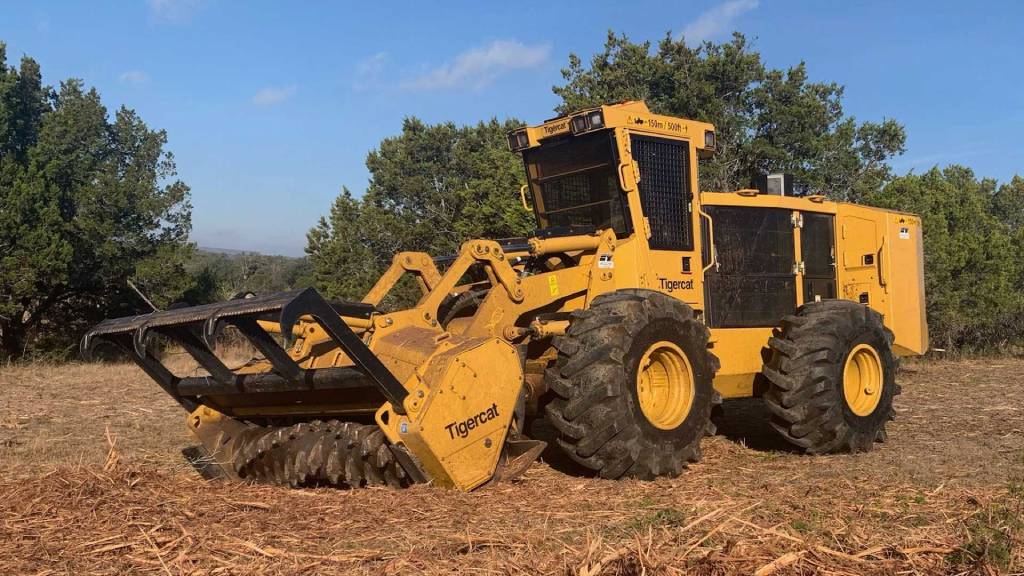
When land is cleared, trees and brush may be mulched where they stand, stacked, hauled away, or burned only when local rules allow it. The right choice depends on the next use of the land, soil, equipment access, and vegetation type.
Debris handling belongs in the clearing plan from the start. A homesite, pasture, trail, wildlife area, and access road can need very different finishes.
The first decision: what will the land be used for?
The best debris plan starts with the finished property, not the debris pile. A building site may need a clean grade with stumps and large roots removed. A ranch owner restoring pasture may benefit from a controlled mulch layer, while a wildlife project may keep selected trees or downed wood.
Crosscut’s land clearing service describes clearing as work that can support land improvement, pasture use, hunting access, livestock, and future property projects. Each goal changes the way vegetation should be processed.
Did You Know: The same tree can be a disposal problem on a future driveway and useful soil cover in an open pasture. The difference is the project goal.
Pro Tip: Before work begins, ask:
- What areas will be cleared completely?
- Which trees or features should stay?
- Will the finished surface be ready for construction, grazing, planting, or access?
- Will the price include stump work, pile handling, or hauling?
Option 1: Trees and brush are mulched on-site
Forestry mulching uses a specialized cutting head to grind standing trees, brush, and smaller woody material into a layer of mulch on the ground. The material stays on the property instead of being loaded into trucks.
On-site mulching can fit acreage where the goal is to reduce overgrowth, open access, improve pasture conditions, or create trails. Crosscut’s forestry mulching service explains that the method processes trees, stumps, logs, shrubs, and woody growth in place.
A mulch layer can help cover exposed soil and slow runoff. Texas A&M Forest Service notes that mulching and shredding can reduce erosion potential and stabilize soil. The final coverage still needs to match the property’s slope, soil, drainage, and next use.
Mulching is not the right finish for every job. A building pad, septic area, driveway, or lawn may need a cleaner surface. Large rocks, steep slopes, wet ground, or unprocessable material can change the plan.
Pro Tip: If you want mulch left on-site, ask where it will be spread and how the finished surface will look. “Mulched” does not always mean “ready for construction.”
Option 2: Larger logs and heavy material are separated
A mulching head can process much of the vegetation, but large trunks, root balls, rocks, construction debris, and other heavy material may need separate handling. These items may be cut, stacked, or staged while the rest of the site is processed.
On properties with mature trees, large stumps, fencing, old building materials, or mixed debris, separating material helps prevent unsafe piles and buried waste.
Some logs may be suitable for firewood, milling, erosion-control structures, or habitat features. That depends on species, size, condition, access, and the owner’s plans. Diseased, damaged, or contaminated wood may not be suitable for reuse.
“Tree removal” and “debris removal” are separate scope items. A clearing quote should state whether large logs, root balls, stumps, and non-vegetative debris are included.
Option 3: Debris is hauled away
When a project needs a clean building site or no piles left on the property, trees and brush may be loaded and transported to an approved destination. Hauling adds labor, equipment time, transportation, and disposal costs.
Haul-off may make sense for:
- Homesites and building pads
- Driveways and parking areas
- Small lots with limited room for piles
- Properties where the owner wants a finished, open surface
- Projects with material that cannot be processed on-site
The destination matters. Clean vegetative material may go to a composting, grinding, recycling, or approved disposal facility. Mixed loads can be handled differently from clean brush and logs. Construction debris, treated wood, wire, tires, and household waste are not ordinary tree debris.
Pro Tip: Ask whether the quote includes loading, disposal, and movement on the property.
The existing land-clearing cost guide also points out that debris handling can include mulching, stacking, hauling, or on-site processing. The best choice depends on the finished use of the land.
Option 4: Debris is burned only under the right conditions
Burning may be part of some land-management plans, but it is not a default disposal method. Texas A&M Forest Service calls debris burning the leading cause of human-caused wildfires and advises property owners to check local restrictions, weather, and fire conditions before burning.
Texas outdoor-burning rules also have specific requirements and exceptions. The Texas Commission on Environmental Quality’s outdoor-burning guidance explains that local rules, county burn bans, location, material type, and the availability of practical alternatives can affect whether a burn is allowed.
Never assume that a rural property can burn any material on-site. Painted, stained, pressure-treated, or mixed construction material is not the same as clean trees and brush. A burn ban or local ordinance can change the answer as well.
Mulching or hauling may provide a more predictable finish than waiting for a safe burn window. Confirm local rules before burning.
Did You Know: A burn ban does not answer every outdoor-burning question by itself. Texas A&M Forest Service says burning can still be illegal or unsafe even when a burn ban is not active.
What happens to stumps and roots?
Stumps may be left in wooded or natural areas, ground down below the surface, removed with excavation, or handled as part of a building-site preparation plan. The correct choice depends on whether the area will receive a structure, driveway, septic system, fence, lawn, pasture, or new planting.
Stump grinding leaves wood chips and a below-grade cavity that may need filling. Full stump removal takes more equipment and may be needed where the ground must be excavated or compacted. A forestry mulcher does not replace every form of excavation.
Tell the contractor what will happen on the cleared area next. A clean-looking surface may still contain roots, buried wood, rocks, or soft spots.
How to choose the right debris plan
A practical debris plan answers five questions:
- What is the next use of the land? Construction, pasture, access, recreation, and habitat work have different finish requirements.
- What material is present? Cedar, hardwoods, brush, stumps, rocks, fencing, and construction debris need different handling.
- Can equipment reach the area? Gates, slopes, wet ground, utilities, and narrow access can limit mulching or hauling.
- What soil protection is needed? Leaving suitable organic cover may help reduce erosion, but piles or heavy residue can interfere with the next phase.
- What is included in the quote? Confirm mulching, stacking, hauling, stump work, grading, and disposal as separate scope items.
The complete guide to land clearing explains how clearing methods, site conditions, and project goals fit together. A site visit can then turn that general information into a property-specific plan.
Final takeaway
After land clearing, trees and debris may be mulched, separated, hauled away, or handled through a permitted burn plan. The right answer depends on the land’s next use, the material present, and the required finished surface.
If you are planning a clearing project in Central Texas, contact Crosscut Land Clearing for a site visit. A property-specific review can clarify which vegetation should stay, how debris should be handled, and what the finished site will require before work begins.
Frequently Asked Questions
What happens to trees after land clearing?
Trees may be mulched on-site, stacked, hauled to an approved facility, reused when suitable, or burned only when state and local rules allow it. The project’s next use and the type of material usually determine the best option.
Is land-clearing debris always hauled away?
No. Forestry mulching processes much of the vegetation on-site, while other projects may leave selected material in place or stack it for later handling. Haul-off is more common when the site needs a clean finish or has limited room for debris.
Can I burn trees and brush after clearing land in Texas?
Sometimes, but state rules, county burn bans, local ordinances, weather, material type, and practical alternatives all matter. Check current guidance with the Texas Commission on Environmental Quality and local officials before burning.
Does forestry mulching remove stumps?
A mulcher can process some smaller stumps and woody material, but it does not replace every stump-removal or excavation method. Building sites, driveways, and septic areas may need additional work below the surface.
How much does debris removal cost?
The cost depends on the volume and type of material, loading and hauling distance, site access, disposal destination, and whether stumps or grading are included. A site visit gives a more useful estimate than acreage alone.