
How Much Does Land Clearing Cost Per Acre in Texas?
If you’re planning to improve a ranch, prepare a homesite, restore pasture, or reclaim overgrown property, one of the first questions that comes to mind is how much does land clearing cost? The answer varies from one property to another because every tract of land presents unique challenges. The amount of vegetation, terrain, accessibility, and project goals all influence the final investment.
Understanding the land clearing price per acre can help you plan your project and evaluate every site individually the right approach for your property. At Crosscut Land Clearing, we evaluate every site individually to recommend the most efficient solution while preserving valuable trees and natural features whenever possible.
What Is the Average Land Clearing Cost Per Acre Texas Property Owners Can Expect?
The land clearing cost per acre Texas landowners pay depends on the condition of the property and the scope of work required. Lightly wooded acreage with minimal brush requires less time and equipment than heavily overgrown land filled with cedar, mesquite, and dense undergrowth.
Rather than relying on a flat rate, professional contractors evaluate several factors before providing a quote. This approach ensures you’re paying for the work your property actually needs instead of an estimate based solely on acreage.
If you’re researching the cost to clear land in Texas, it’s important to compare services as well as pricing. One contractor may simply remove vegetation, while another may include forestry mulching, selective clearing, debris management, and site improvements that provide greater long-term value.
Factors That Affect Cost Per Acre
No two properties are alike, which is why costs depend on multiple variables.
Tree Density and Tree Size
One of the biggest pricing factors is the number of trees on the property and their overall tree size. Removing scattered brush requires far less work than clearing mature hardwoods or dense cedar stands.
Large trees often require additional equipment, specialized cutting techniques, and more time to complete safely.
Type of Vegetation
Brush, cedar, mesquite, vines, and invasive species all require different clearing methods. Dense vegetation slows production and increases equipment wear, which affects the overall cost per acre.
Properties that have been unmanaged for years typically require more extensive work than land receiving regular maintenance.
Terrain
Texas landscapes vary dramatically. Flat pastures are generally easier to clear than rocky hillsides, creek crossings, or heavily sloped terrain found throughout the Texas Hill Country.
Rock outcroppings, steep grades, and limited access may require specialized equipment designed for challenging conditions.
Accessibility
Equipment must be able to reach the work area efficiently. Narrow entrances, fences, utilities, and existing structures can increase project complexity and extend completion times.
Forestry Mulching: An Efficient Alternative
For many properties, forestry mulching offers one of the most efficient land clearing methods available.
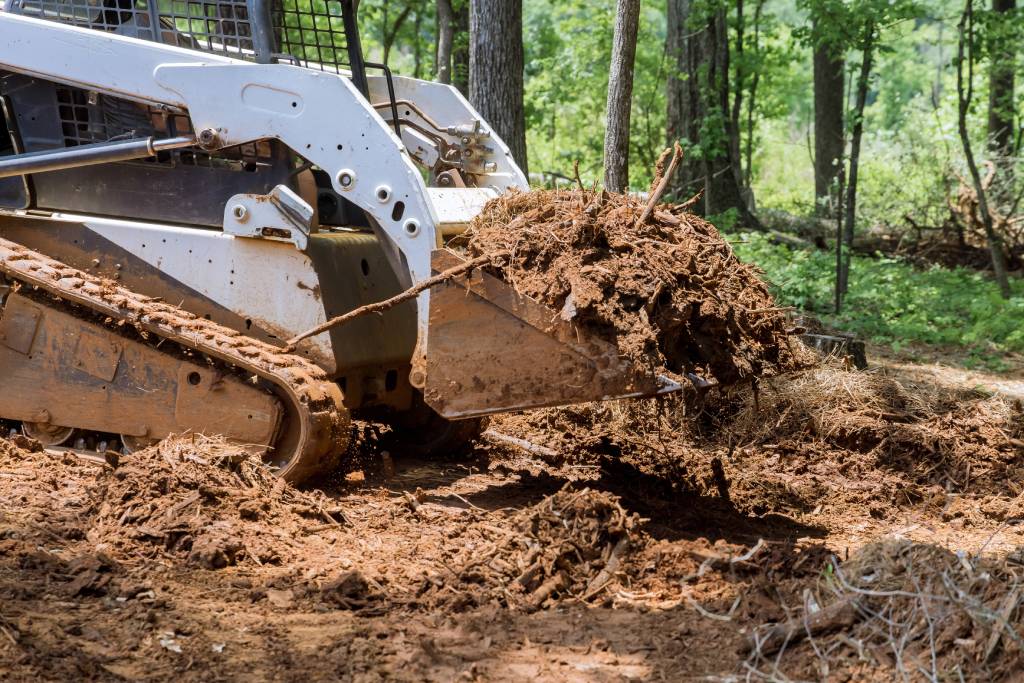
Instead of pushing trees into piles and hauling material away, specialized equipment grinds vegetation into mulch that remains on the property. This mulch helps protect the soil, reduce erosion, retain moisture, and naturally return nutrients to the ground.
Forestry mulching is an excellent choice for:
- Cedar removal
- Fence line clearing
- Wildlife habitat improvements
- Pasture restoration
- Trail creation
- Homesite preparation
Because it eliminates multiple handling steps, forestry mulching can often reduce labor while producing a cleaner finished result.
Tree Removal and Stump Removal
Many projects include tree removal as part of the clearing process. Some landowners prefer complete clearing, while others choose selective removal to preserve healthy shade trees and improve the overall appearance of their property.
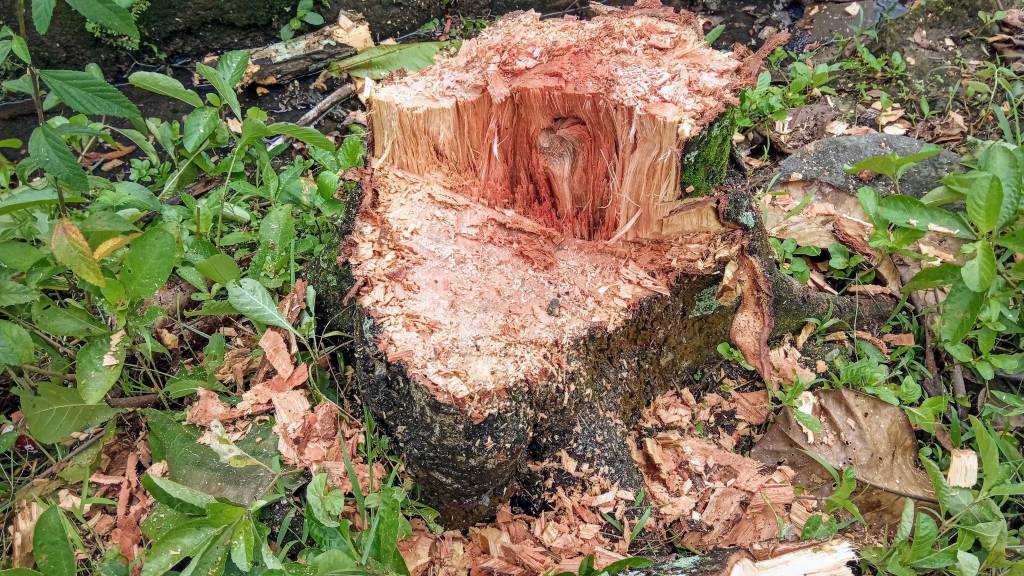
After trees are removed, stump removal may also be necessary. Leaving stumps behind may be acceptable for wildlife areas or wooded acreage, but future building sites, driveways, and agricultural fields often require complete removal.
Removing stumps involves additional equipment and labor, making it an important consideration when estimating project costs.
Debris Removal and Cleanup
One detail that many property owners overlook is debris removal.
Depending on your project goals, vegetation may be mulched, stacked, hauled away, or processed on-site. Large logs, root balls, and construction debris all require different disposal methods.
Including debris removal in your estimate helps ensure your property is left ready for its next use instead of requiring additional cleanup later.
Site Preparation for Future Projects
Many landowners aren’t simply clearing property—they’re preparing it for something new.
Professional site preparation creates a clean foundation for future improvements, including:
- New homes
- Barns and outbuildings
- Roads and driveways
- Pastures
- Fencing
- Recreational areas
- Agricultural operations
Combining land clearing with site preparation can save time and reduce overall project costs by completing multiple phases with the same equipment.
How Much Does It Cost to Clear Land in Texas?
If you’re asking how much it costs to clear land in Texas, the best answer is to schedule an on-site evaluation.
Online estimates can provide general guidance, but they cannot account for the unique characteristics of your property. A professional assessment allows contractors to examine vegetation density, terrain, access points, desired outcomes, and any special considerations before preparing an accurate proposal.
At Crosscut Land Clearing, we believe every property deserves a customized plan designed around your specific goals—not a one-size-fits-all estimate.
Choosing the Right Land Clearing Contractor
Price is only one part of the decision.
Experienced contractors deliver better long-term value by using the proper equipment, protecting desirable trees, minimizing unnecessary disturbance, and completing projects efficiently.
When comparing companies, ask about:
- Experience with Texas properties
- Forestry mulching capabilities
- Equipment designed for rugged terrain
- Selective clearing options
- Cleanup and debris management
- Site preparation services
- Insurance and safety practices
A contractor who understands Central Texas land conditions can often recommend solutions that improve your property’s health while helping you maximize your investment.
Start with a Professional Property Assessment
Every property tells a different story. Some need light brush removal to improve access, while others require complete restoration after years of overgrowth.
Instead of guessing at the land clearing price per acre, schedule a property evaluation with Crosscut Land Clearing. Our team will assess your land, discuss your goals, and recommend the most effective approach for your project.
From forestry mulching and selective tree removal to stump removal, debris removal, and complete site preparation, we provide professional land clearing solutions throughout Central Texas. We’ll help you understand your options, explain the factors that influence pricing, and develop a plan that delivers lasting value for your property.