
Why Cedar Trees Are Bad for Texas Pastures
TL;DR: Why cedar trees are bad for Texas pastures comes down to their ability to outcompete native grasses, reduce grazing land, and make property maintenance more difficult. This guide explains how cedar spreads, why it affects pasture productivity, and the best ways to manage it for healthier Texas land.
- Learn why cedar trees are bad for Texas pastures and how dense growth impacts grazing and land use.
- Discover the difference between mountain cedar and salt cedar, including how salt cedar affects soil.
- Find out if cedar trees are bad for cattle and how they indirectly reduce forage availability.
- Understand why early cedar removal and forestry mulching help restore healthy pastures and native vegetation.
- Explore why cedar management is an ongoing priority across the Texas Hill Country.
If you own land in Central Texas, you’ve likely watched cedar spread across fields, fence lines, and hillsides faster than expected. While cedar trees have a place in the natural landscape, they can quickly become a problem when left unmanaged. Dense cedar growth competes with native grasses, reduces usable grazing acreage, and makes land more difficult to maintain.
So, why are cedar trees bad for Texas pastures? The answer comes down to how aggressively these woody plant species spread and how they change the health and function of your property. Understanding the impact of cedar trees in pastures can help landowners make informed decisions about vegetation management and long-term land improvement.
Why Cedar Trees Spread So Quickly
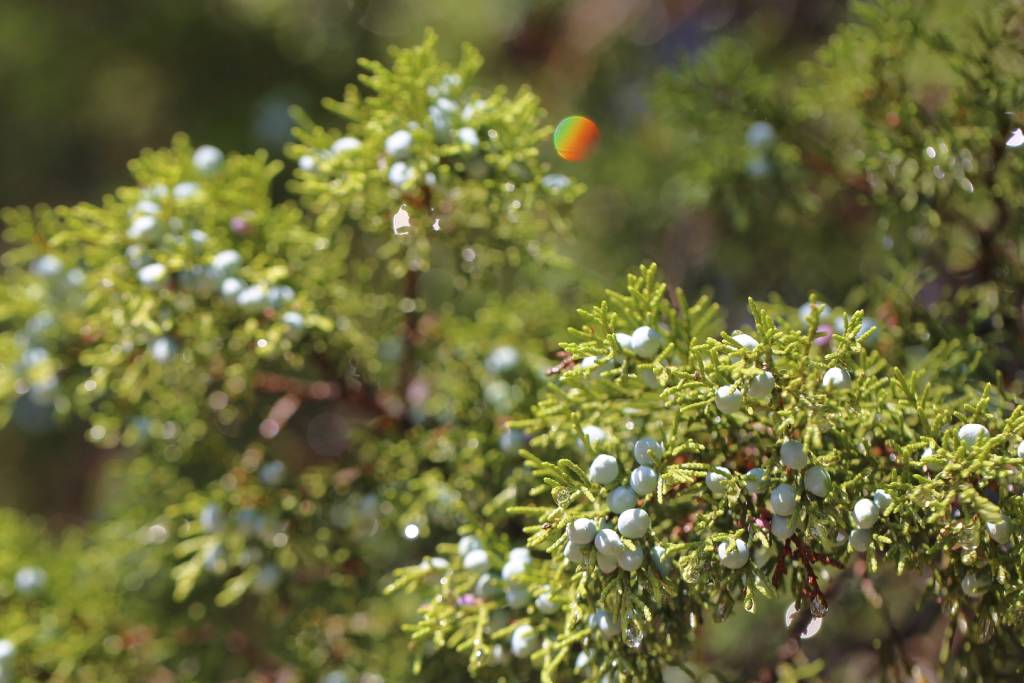
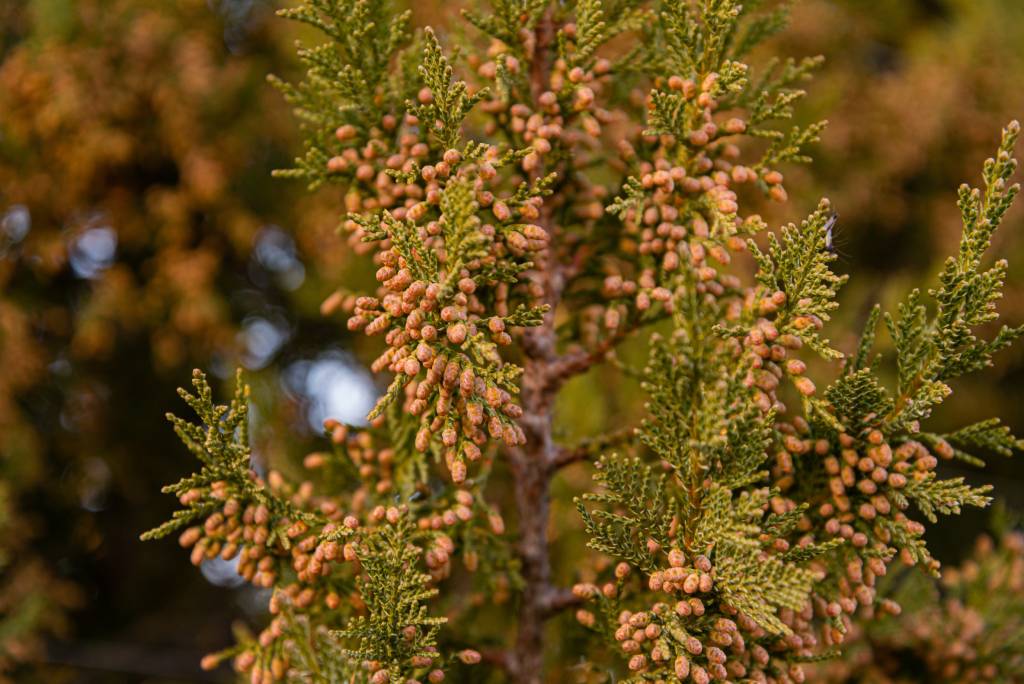
Most people in the Texas Hill Country are dealing with Ashe juniper, commonly called mountain cedar. Despite the name, it isn’t a true cedar, but it behaves much like one when conditions allow it to flourish.
A young cedar tree establishes quickly in open areas, especially when grazing pressure reduces the grass competition around it. Birds spread the seeds across large areas, allowing new trees to appear in pastures, along creek banks, and beneath mature oaks.
Historically, natural fires helped keep cedar populations in balance. Modern fire suppression, combined with changing land management practices, has allowed cedar to spread across millions of acres throughout the United States, particularly across Central Texas.
Why Cedar Trees Are Bad for Texas Pastures
For ranchers and rural landowners, unmanaged cedar creates several challenges beyond appearance.
Reduced Grazing Space
One of the biggest concerns is the loss of productive pasture. As cedar expands, thick stands shade out native grasses that livestock depend on for forage.
Over time, a pasture that once supported healthy grazing becomes crowded with dense brush, leaving less room for desirable vegetation to grow.
Competition for Resources
Cedar competes aggressively for sunlight, moisture, and nutrients. While many native species have adapted to Texas conditions, dense cedar growth often outcompetes grasses and wildflowers that provide better wildlife habitat and forage.
The result is a landscape with lower plant diversity and reduced productivity.
Difficult Land Access
Dense cedar makes moving across property more difficult for ranchers, equipment, and livestock. Fence repairs become harder, hunting lanes disappear, and maintaining roads or utility easements requires additional labor.
Many property owners also find that cedar invasion lowers the overall usability and appearance of their land.
What Is So Bad About Cedar Trees?
What is so bad about cedar trees if they are naturally found throughout Texas?
The answer is that cedar itself is not inherently harmful. Problems arise when cedar populations become excessive due to decades of limited management.
Healthy ecosystems contain a balance of grasses, shrubs, mature trees, and wildlife habitat. When cedar dominates a landscape, it disrupts that balance by reducing grass production and crowding out other vegetation.
Proper vegetation management focuses on restoring balance rather than removing every cedar tree.
Are Cedar Trees Bad for Cattle?
A common question among ranchers is, are cedar trees bad for cattle?
In most cases, cedar is not toxic to cattle. However, large populations of cedar trees can indirectly affect livestock operations by reducing available forage.
As cedar replaces productive grass, cattle have less acreage to graze, which may require supplemental feeding or lower stocking rates. Thick cedar also limits visibility, makes gathering livestock more difficult, and creates obstacles throughout the pasture.
Removing invasive cedar often improves grazing conditions and supports healthier pasture management.
Cedar Trees in Pastures Reduce Productivity
When cedar trees in pastures become established, they rarely remain isolated.
Small seedlings quickly develop into mature stands that continue producing seeds, allowing cedar to spread even farther across the property.
Without management, landowners often experience:
- Reduced grass production
- Increased brush density
- More difficult fence maintenance
- Limited equipment access
- Less usable grazing acreage
- Greater long-term land management costs
Addressing cedar while trees are still small is usually far easier and more affordable than clearing dense mature stands later.
How Does the Salt Cedar Tree Affect the Soil?
Some landowners ask, how does the salt cedar tree affect the soil?
It’s important to distinguish salt cedar (tamarisk) from the mountain cedar commonly found in Central Texas.
Salt cedar is an invasive species found in many parts of the western United States. It can increase soil salinity in certain environments, consume significant amounts of water, and outcompete native vegetation along waterways. These impacts often make restoration more difficult after heavy infestations.
By contrast, Ashe juniper does not create the same soil salinity issues. However, dense cedar stands still change growing conditions by reducing sunlight reaching the ground and limiting the growth of grasses and other beneficial plants.
How Bad Is Cedar Today in Texas?
Many landowners ask, how bad is cedar today in Texas?
Across the Texas Hill Country, cedar expansion has become one of the most significant land management challenges. Millions of acres have experienced increasing cedar density over the past several decades due to reduced wildfire activity and changing land use practices.
Without regular maintenance, even well-managed properties can see cedar seedlings establish every year.
Fortunately, modern land management equipment allows property owners to control cedar efficiently while preserving desirable trees and native grasses.
The Benefits of Early Cedar Removal
Managing cedar early provides several long-term advantages.
Better Grass Growth
Removing excessive cedar opens the canopy, allowing sunlight to reach the ground. Native grasses often respond quickly with improved growth and greater forage production.
Healthier Wildlife Habitat
Selective clearing creates a more diverse landscape that supports birds, pollinators, deer, and other wildlife while preserving important habitat features.
Easier Property Maintenance
Strategic cutting trees and removing cedar improves access for fencing, roads, utility work, hunting, and recreational activities.
Improved Property Value
Well-maintained pastures are more attractive to buyers, easier to manage, and often provide greater long-term value than heavily overgrown land.
Why Forestry Mulching Is an Effective Solution
One of the most efficient ways to manage cedar is forestry mulching.
Rather than piling and burning brush, a forestry mulcher grinds unwanted cedar into mulch that remains on the soil surface. This process helps reduce erosion while avoiding extensive disturbance to the landscape.
Professional operators can selectively remove cedar while protecting mature hardwoods, desirable native species, and important habitat areas.
This approach is especially valuable when removing young cedar before it develops into larger, harder-to-manage stands.
Protect Your Texas Pasture for the Future
Cedar has an important place in North America, but allowing it to dominate productive pasture can reduce grazing capacity, limit land access, and make long-term property management more expensive. Understanding why cedar trees are bad for Texas pastures helps landowners take proactive steps before small seedlings become large infestations.
If cedar is beginning to overtake your property, working with an experienced land clearing professional can restore healthy pasture, improve accessibility, and protect the long-term value of your Texas Hill Country land. With the right vegetation management plan, your pasture can remain productive, attractive, and easier to maintain for years to come.