
What Is an NRCS Grant for Land Improvement?
TL;DR: An NRCS grant can help eligible landowners improve their property through conservation-focused projects that enhance soil health, wildlife habitat, and pasture productivity. This guide explains the most common NRCS programs, who qualifies, and how funding can support land improvement projects in Texas.
- Learn what an NRCS grant is and how it helps fund approved conservation practices.
- Explore EQIP grants, the Environmental Quality Incentives Program, and other NRCS funding opportunities.
- Understand how NRCS Texas grants and Working Lands for Wildlife support agricultural landowners.
- Discover which land clearing and brush management projects may qualify for conservation funding.
- Find out how your local USDA Service Center can help you apply and develop a conservation plan.
Improving rural property often requires a significant investment of time, labor, and equipment. Fortunately, landowners may have access to financial assistance through the U.S. Department of Agriculture (USDA). One of the most valuable resources is an NRCS grant, which helps support conservation projects that improve the health and productivity of private land.
If you own a farm or ranch, manage agricultural land, or are looking for grants for land clearing, understanding the available Natural Resources Conservation Service (NRCS) programs can help you make informed decisions about your property. From brush management and pasture restoration to wildlife habitat improvements, these programs are designed to benefit both landowners and natural resources.
What Is an NRCS Grant?
An NRCS grant refers to financial assistance or cost-share funding provided through the USDA’s Natural Resources Conservation Service. Rather than offering unrestricted funding, NRCS supports specific conservation practices that improve soil, water quality, wildlife habitat, and overall land management.
Many projects require landowners to complete approved conservation practices before receiving reimbursement or cost-share payments. Working with your local NRCS office ensures your project meets program requirements.
The goal is to help landowners improve working landscapes while protecting natural resources for future generations.
Who Can Apply?
Many programs are available to:
- Agricultural producers
- Ranch owners
- Farmers
- Private forest landowners
- Tribal landowners
- Other eligible private landowners
Eligibility varies by program and project type. In many cases, applicants must demonstrate ownership or control of the property and agree to implement approved conservation practices.
Your local USDA Service Center can explain current eligibility requirements and guide you through the application process.
The Environmental Quality Incentives Program (EQIP)
The Environmental Quality Incentives Program is one of the most widely used NRCS conservation programs.
Often referred to simply as EQIP, it provides financial and technical assistance to help landowners address natural resource concerns while maintaining productive operations.
Today, EQIP grants support projects such as:
- Brush management
- Forestry mulching
- Invasive species control
- Prescribed grazing
- Pasture improvement
- Erosion control
- Water conservation
- Fence improvements
- Wildlife habitat restoration
For many Texas landowners, EQIP offers valuable assistance for improving pasture conditions and restoring overgrown acreage.
How EQIP Grants Help With Land Clearing
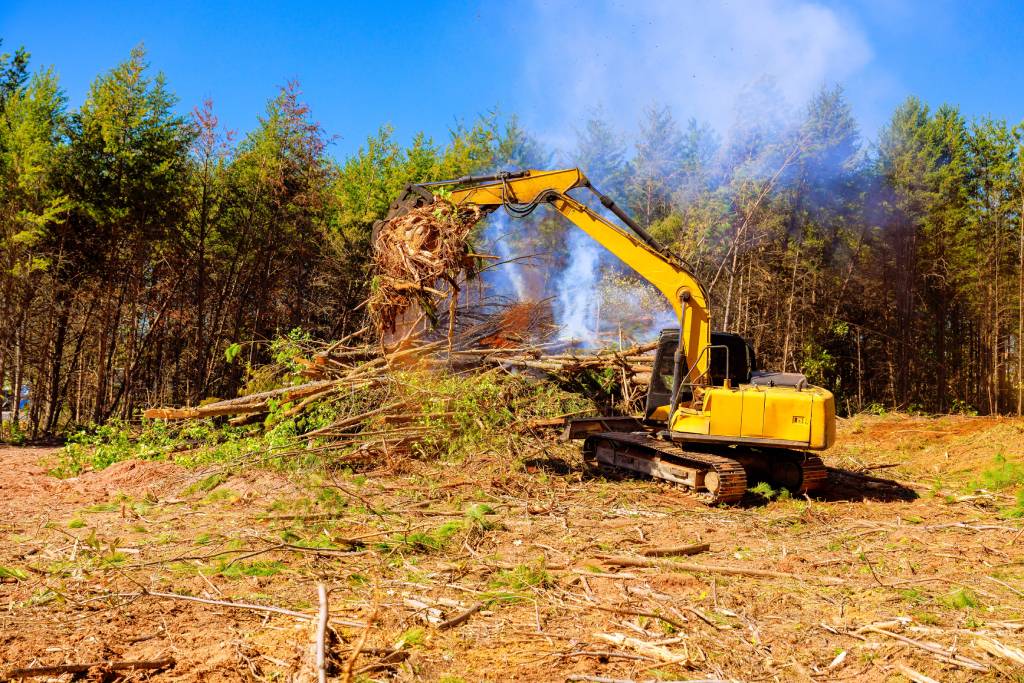
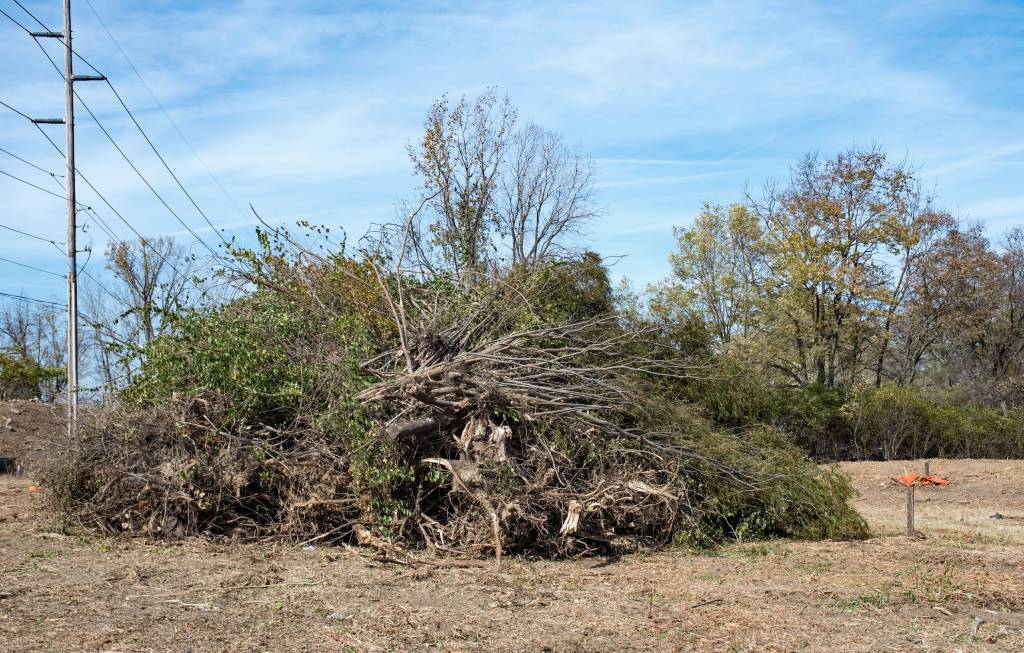
Many landowners search for grants for land clearing after cedar, mesquite, or invasive brush has taken over productive pasture.
While NRCS generally does not fund land clearing simply for development or aesthetics, eligible conservation projects may include vegetation management that restores healthy ecosystems.
For example, an approved brush management project may remove invasive woody species that reduce forage production or negatively affect wildlife habitat.
Once approved, the project must follow NRCS conservation standards before cost-share payments are issued.
Professional contractors experienced with NRCS projects can help complete work according to program specifications.
NRCS Texas Grants for Landowners
Many property owners look specifically for NRCS Texas grants because conservation priorities vary across the state.
Texas programs often focus on issues such as:
- Cedar and mesquite management
- Pasture restoration
- Water conservation
- Wildlife habitat enhancement
- Grazing improvements
- Soil health
- Brush management
Funding availability changes each year and depends on federal allocations, local priorities, and application rankings.
Working with your county NRCS office is the best way to understand which programs are currently available in your area.
NRCS Working Lands for Wildlife
Another valuable initiative is NRCS Working Lands for Wildlife.
This partnership helps landowners improve wildlife habitat while maintaining productive agricultural operations.
Rather than removing land from production, the program encourages conservation practices that support both wildlife and agriculture.
Projects may include:
- Brush management
- Native grass restoration
- Riparian improvements
- Prescribed grazing
- Habitat enhancement for priority species
These efforts benefit wildlife while improving the long-term health of working landscapes.
NRCS Conservation Innovation Grants
The NRCS also administers NRCS Conservation Innovation Grants, commonly known as Conservation Innovation Grants CIG.
Unlike traditional cost-share programs, these grants typically support organizations, universities, conservation groups, tribes, and businesses testing innovative conservation technologies and management approaches.
Projects funded through Conservation Innovation Grants often explore new methods for improving:
- Water conservation
- Soil health
- Carbon storage
- Grazing management
- Agricultural efficiency
- Habitat restoration
While most individual landowners do not apply directly for these grants, successful projects often lead to improved conservation practices that later become available through broader NRCS programs.
The Application Process
Applying for an NRCS program starts with contacting your local USDA Service Center.
A conservation planner will meet with you to discuss your property, identify resource concerns, and determine which programs best fit your goals.
The process typically includes:
- Meeting with an NRCS conservation planner.
- Evaluating the property’s conservation needs.
- Developing a conservation plan.
- Submitting an application.
- Waiting for project ranking and approval.
- Completing approved conservation practices.
- Receiving cost-share reimbursement after verification.
Applying early is important because many programs have annual funding deadlines.
Why Professional Land Clearing Matters
Many NRCS-supported projects involve brush management, forestry mulching, or selective tree removal.
Hiring an experienced contractor helps ensure the work meets NRCS specifications while protecting desirable vegetation and minimizing unnecessary disturbance.
Professional land clearing companies understand how to:
- Selectively remove invasive brush
- Preserve mature hardwoods
- Improve pasture productivity
- Reduce erosion
- Restore wildlife habitat
- Complete projects efficiently
Working with contractors familiar with conservation projects can help avoid delays and improve overall project success.
Benefits Beyond Financial Assistance
Although funding is often the primary motivation for applying, NRCS programs offer additional long-term benefits.
Proper land management can:
- Improve forage production
- Increase grazing capacity
- Enhance wildlife habitat
- Reduce invasive vegetation
- Improve water infiltration
- Promote healthier soils
- Increase property usability
- Support sustainable agricultural operations
These improvements often continue providing value long after the project is complete.
Is an NRCS Program Right for Your Property?
If you manage a farm or ranch, own agricultural land, or want to restore overgrown pasture, an NRCS grant may help offset the cost of approved conservation improvements. Programs like the Environmental Quality Incentives Program, EQIP grants, NRCS Working Lands for Wildlife, and NRCS Texas grants provide opportunities for landowners to improve their property while protecting valuable natural resources.
The best place to begin is your local USDA Service Center, where conservation specialists can explain available programs and guide you through the application process. With careful planning and experienced contractors, conservation funding can help transform your property into a healthier, more productive landscape for years to come.